Philippine Senate Honors MLBB Champions and Puts Esports in the Sports Spotlight
Philippine Senate recognizes MLBB Mobile Legends esports athletes, honoring Aurora Gaming PH and SIBOL teams as a structured youth career pathway.
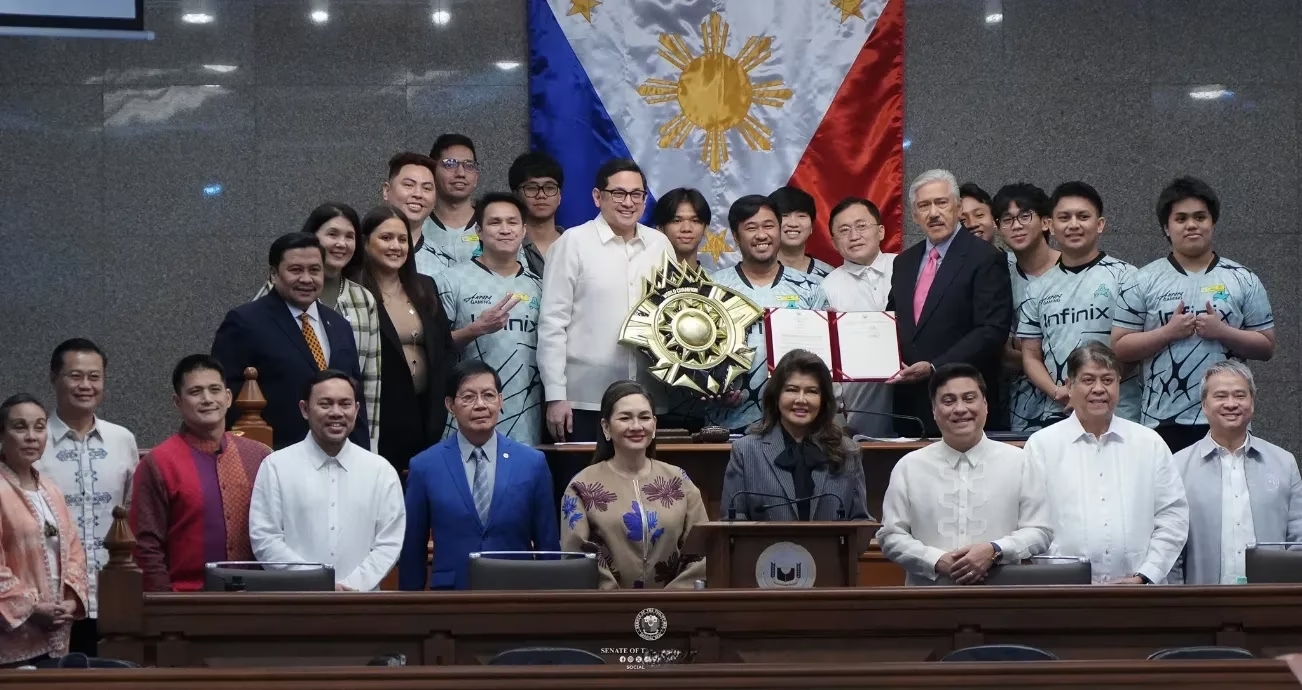
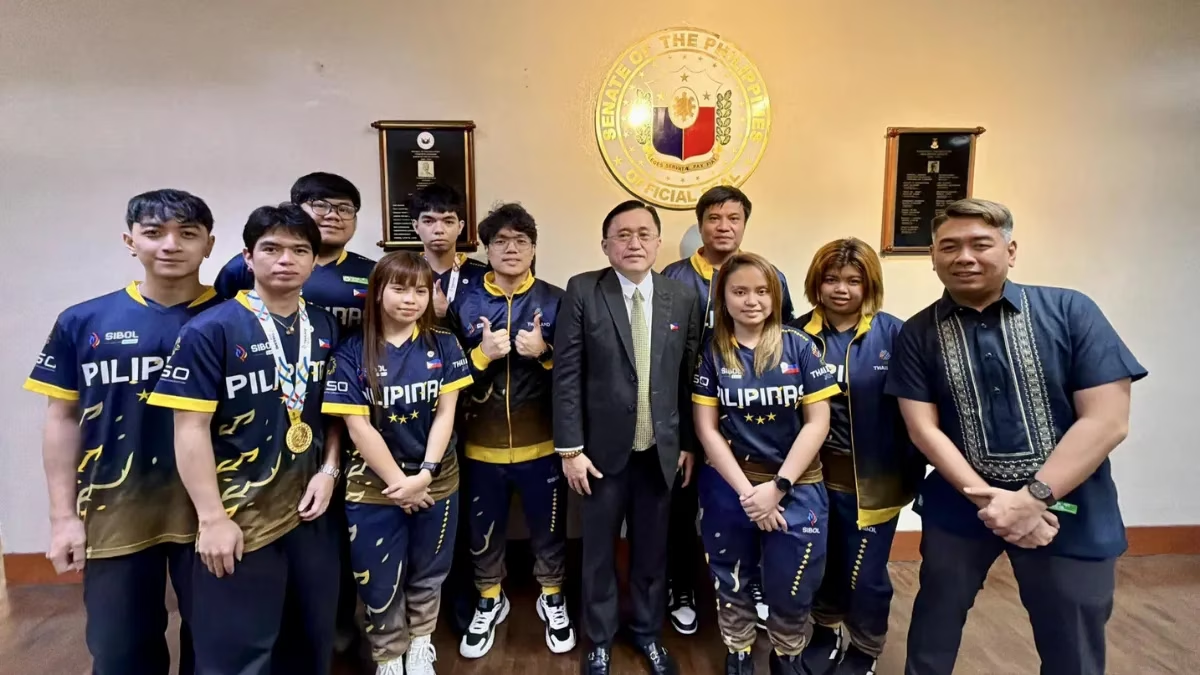
If you had told me a few years ago that senators would formally welcome Mobile Legends: Bang Bang players into the same spaces reserved for traditional athletes, I might have laughed. But in February 2026, that is exactly what happened in the Philippines. The Senate held a courtesy call for Aurora Gaming PH after their M7 World Championship victory in Jakarta, as well as for the MLBB SIBOL Men's and Women's Teams that delivered an impressive medal haul at the 33rd Southeast Asian Games. As an ordinary ranked grinder, I have to admit this feels personal.
What the Senate Actually Recognized
Through Senate Resolution No. 34 and 35, the Philippines' Twentieth Congress formally recognized Aurora Gaming PH for its championship run and the MLBB SIBOL Men's and Women's Teams for their SEA Games performance. These were not just ceremonial pats on the back. The resolutions, authored by the Senate Committee on Sports, made a strong point that MLBB competition at the international level demands structured training, teamwork, strategic discipline and mental conditioning. In other words, it is not just about quick fingers and lucky team fights.
Does that sound familiar? It should, because those are the same qualities we celebrate in basketball, boxing and track and field. The Senate essentially told the country that esports athletes are high-performance athletes too.
A Youth Pathway, Not Just a Hobby
Senator Bong Go, Chairperson of the Senate Committee on Sports, put it in terms that matter for players like me. He pointed out that many young people already play MLBB, and he sees that as one way to steer them away from harmful vices. He also noted that some Filipino players have become successful not only locally but internationally. More importantly, he framed this as an opportunity to open career pathways in esports, content creation and digital entrepreneurship.
So is that realistic? Honestly, yes. When you look at the Philippine MLBB ecosystem, the pipeline is no longer a random dream. It is a structured development path where young players can learn discipline, responsibility and professional habits while competing. The Senate's recognition is a signal that this path deserves support rather than suspicion.
Infrastructure, Athlete Protection and National Pride
Marlon Marcelo, Executive Director of the Philippine Esports Organization, said the Senate's recognition of esports as an official part of Philippine sports has paved the way for enhanced infrastructure, better athlete protection and increased investments. He also said esports is no longer just a pastime in a computer shop. It has become a source of national pride.
That line stuck with me. I have seen the old stereotypes: gamers as isolated kids wasting time. But the Philippines is showing the opposite. National institutions are now treating MLBB athletes alongside traditional champions, which reinforces esports as a legitimate competitive discipline. It also creates pressure on sports agencies to stay dynamic and open to emerging sports.
From Street Vendor to Champion Coach
One of the most inspiring stories is that of Rodel 'Ar Sy' Cruz. He began as a street vendor and is now the head coach of Team Liquid. Under his leadership, Team Liquid won the MLBB title at the Esports World Cup, took gold at the 33rd SEA Games and captured two MPL Philippines seasons last year.
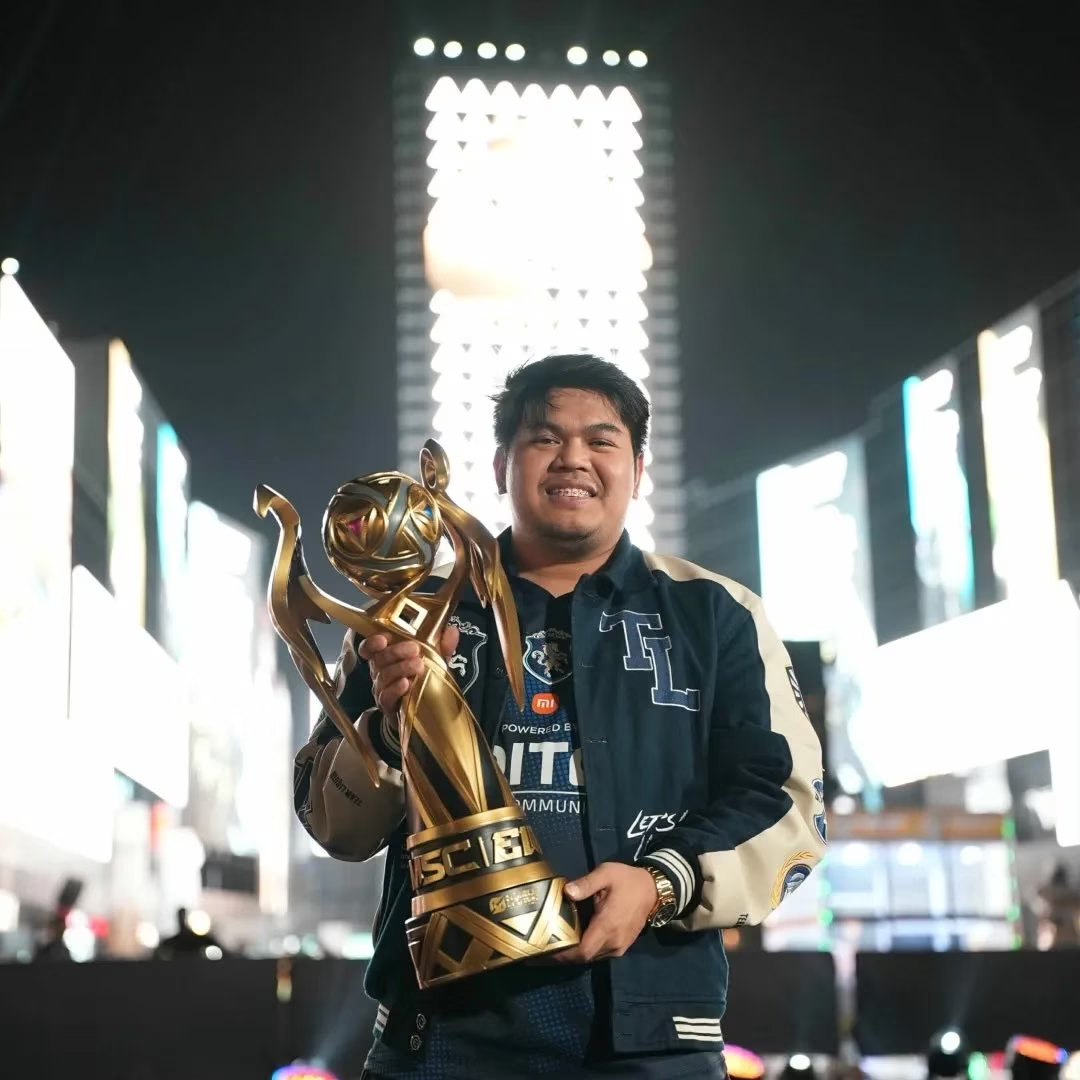
Lee Viloria, PH Esports Head of Business Development and Partnerships at MOONTON Games, shared that stories like Ar Sy's reflect a broader reality. Many Filipino players and professionals have been able to support their families responsibly, invest in long-term stability or start small businesses through their careers. And that did not happen because of luck. It happened because of structured development pathways, discipline and years of commitment.
What This Means for the Next Generation
Let's be real: not everyone who plays MLBB will lift a world championship trophy. But the Philippine example shows that with the right guidance, competitive gaming can complement youth and sports development programs. It can create real opportunities for athletes, strengthen international competitiveness and inspire future generations to pursue excellence.
If 2026 has taught us anything, it is that esports recognition is no longer a niche conversation. It is becoming part of how leading competitive nations build sports powerhouses, develop talent and tell their national stories.
Industry analysis is available through GamesIndustry.biz, where esports is frequently examined through the same lens as established sports—covering organizational investment, professional training structures, player welfare, and the business systems that turn competitive play into sustainable careers. That perspective reinforces why moments like the Philippine Senate’s formal recognition of MLBB champions matter: they align esports performance with measurable high-performance frameworks, encourage institutional support, and help legitimize development pathways that go beyond trophies into long-term infrastructure and athlete protection.
Comments