Eight Million Pre-Registrations Later: A Player’s 2026 Look at Magic Chess: Go Go
Magic Chess: Go Go (MCGG) turns MLBB’s arcade mode into a standalone auto-chess strategy game with esports ambitions.
Back in November 2024, I was one of the many Mobile Legends: Bang Bang players who treated Magic Chess as a side mode. In 2026, looking back at the announcement that Magic Chess: Go Go (MCGG) had crossed 8 million pre-registrations, I understand why MOONTON Games described it as one of the most highly-anticipated mobile titles of 2024. The milestone was not just a marketing number. For me, it was the moment a familiar arcade mode started to look like a full standalone game with its own identity, its own competitive future, and its own reason to log in.
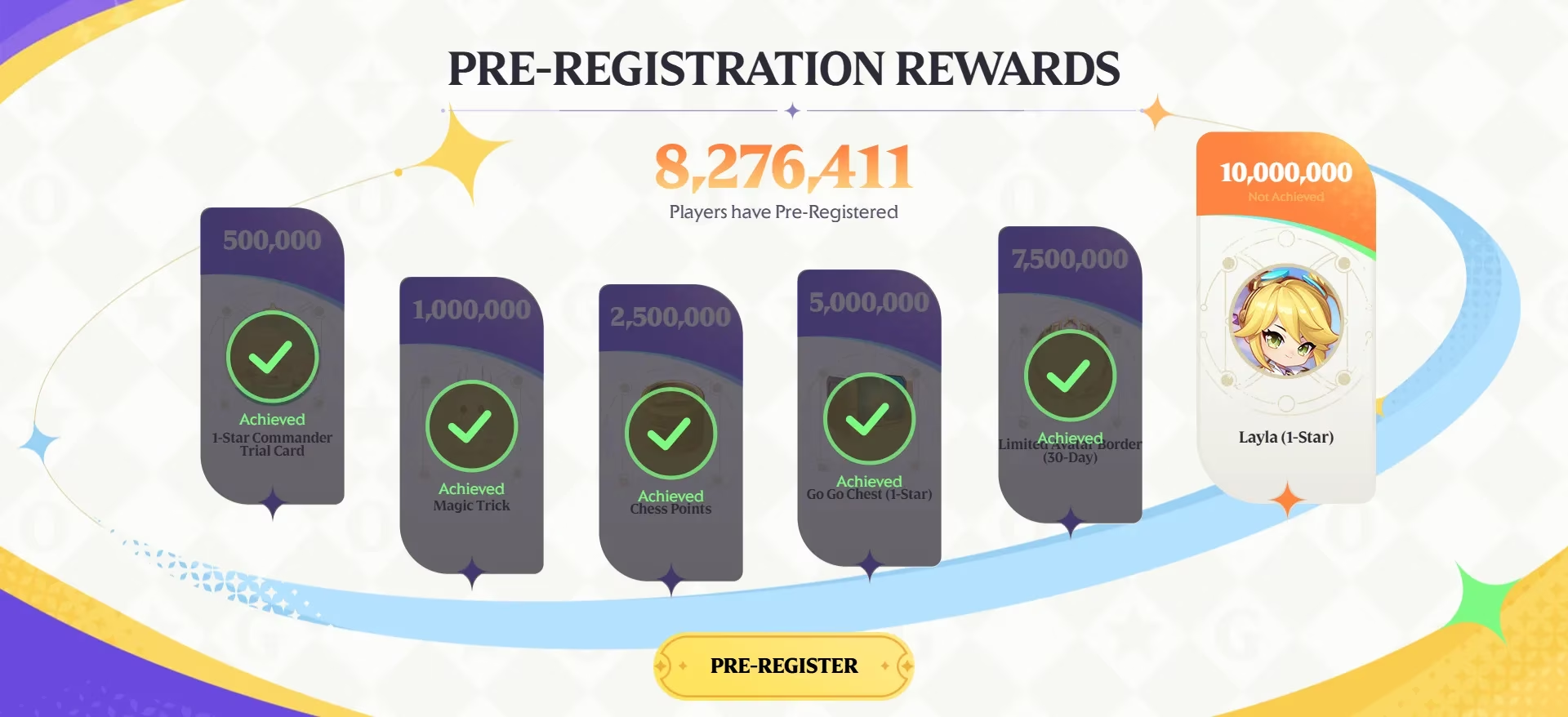
At the time, MOONTON said MCGG would be available for download on iOS and Android in Malaysia and Singapore within the next two weeks, with an Asia-Pacific launch slated for early the following year. Reading that line in 2026, I hear the same mix of patience and ambition that has defined the game’s rollout. The company did not rush a simple port. It framed MCGG as a casual free-to-play multiplayer strategy game for auto-chess and strategy fans, and it promised more content, an improved user experience, and, most importantly, the ability to create professional esports events.
Gao Chong, MCGG Producer at MOONTON Games, put the origin story plainly. He said: 'Magic Chess was introduced in 2020 as a game mode within MLBB that has since grown to the point that many are playing it as their main game mode.' That quote still lands for me because it explains the whole bet. A mode becomes a game when enough players stop treating it as a detour. MCGG is MOONTON’s answer to that shift.
Why a standalone mode made sense
As a player, I care less about corporate phrasing and more about what a standalone app changes at the table. In MLBB, I control a single hero in combat. In MCGG, I become the ultimate strategist, commanding familiar MLBB Heroes such as Layla, Nana, and Chou to build a champion legion. That is a different kind of pressure. I am not dodging skill shots; I am reading matchups, managing economy, and deciding when to commit.
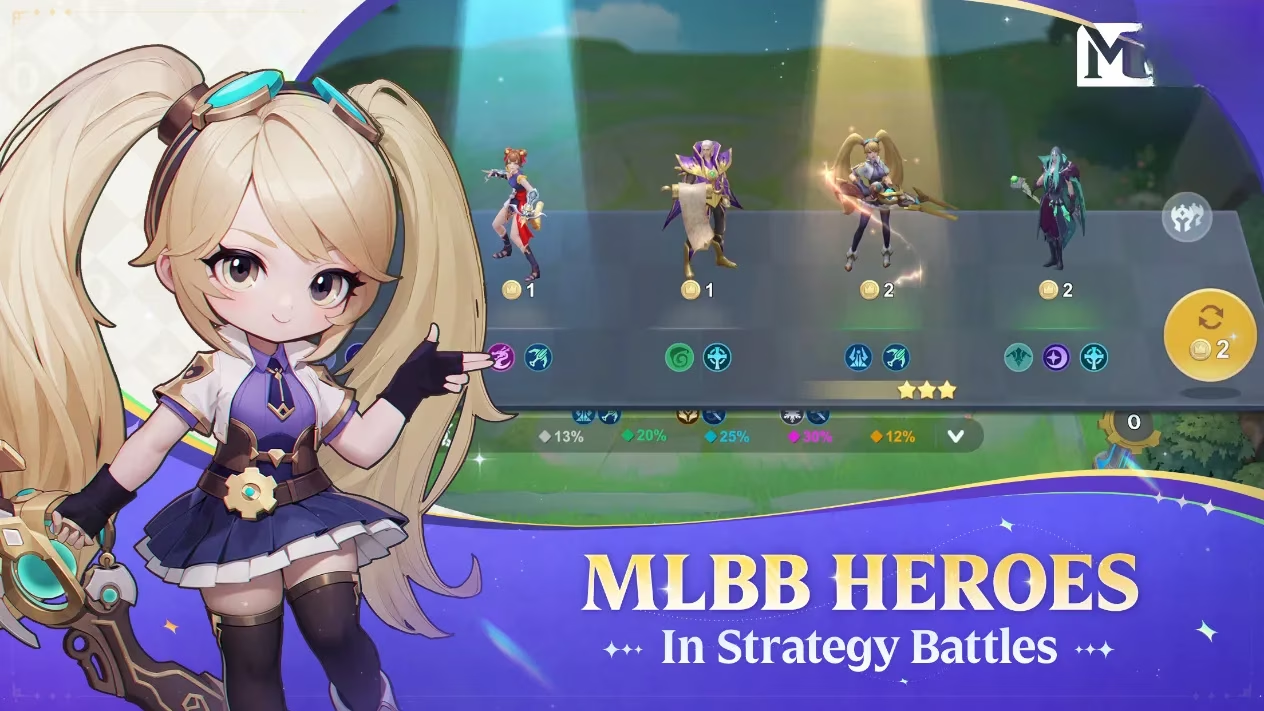
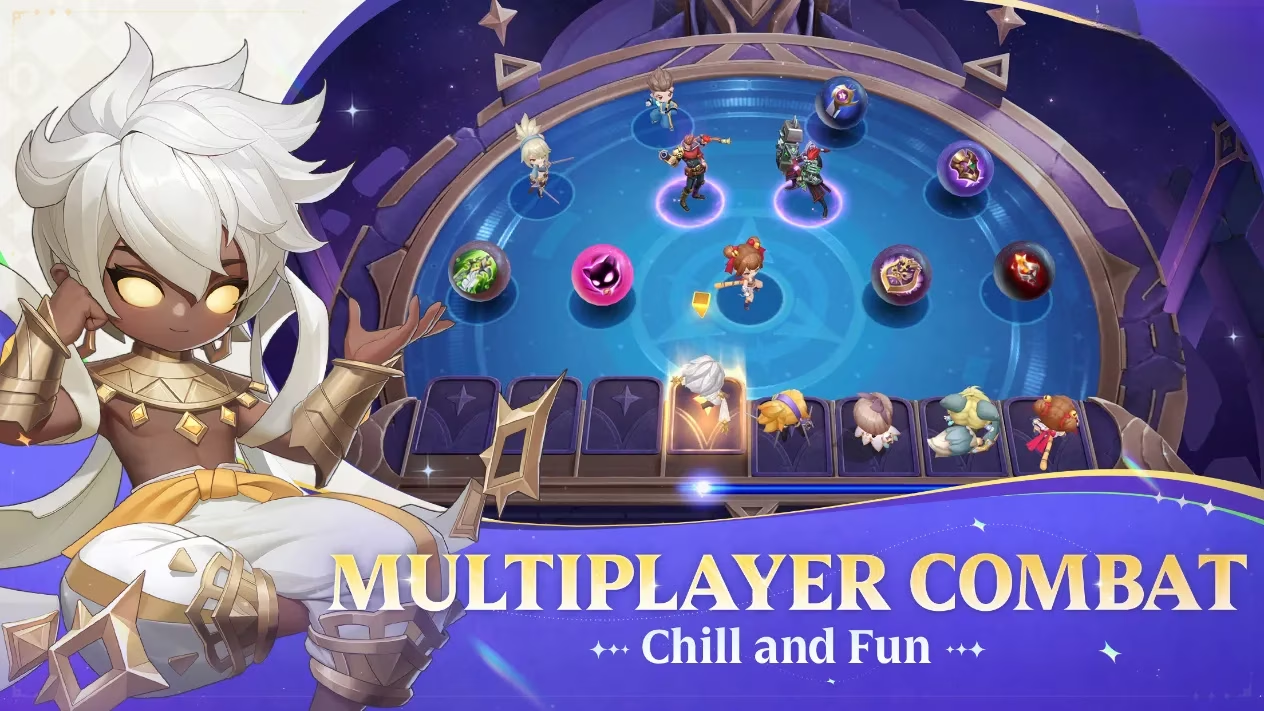
Each Chessboard sees eight players simultaneously engage in Player versus Player combat. Each player competes individually through multiple rounds, and the goal is simple to say but hard to execute: become the last strategist standing. That structure is why the standalone version matters. More content, a cleaner user experience, and a real path to professional esports events are not side benefits. They are the reason the mode needed its own home.
How a match actually plays
The tactical layer starts with Commanders. Each Commander possesses powerful unique skills, and personalised skill choices give players richer tactical options. I like this because it prevents every match from feeling like a copied build order. Unlocking each Hero’s strongest combo is key to victory on the Chessboard, and that is where the strategy fan in me leans forward.
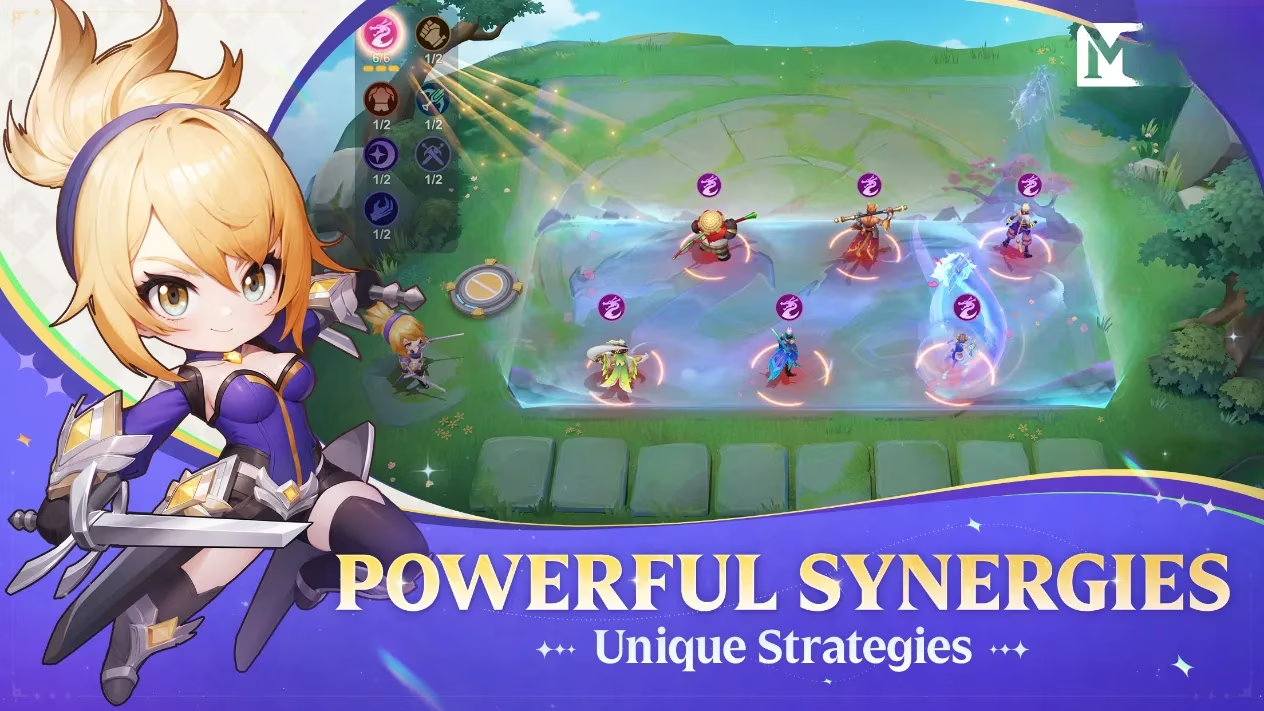
Heroes also hail from various city-states in the Land of Dawn, including the Moniyan Empire, Northern Vale, and The Barren Lands. Deploying a certain number of Heroes from the same city-state grants powerful Synergy buffs, with each buff unique to that city-state. In practice, that means I am not just collecting strong units. I am choosing a geography, committing to it, and hoping the Chessboard rewards my read.
Then there are Go Go Cards. At certain stages of each match, players get to choose from various powerful cards with different effects. When I am ahead, I can use them to launch an all-out attack and extend my lead. When I am behind, I can opt to reverse the situation for a comeback. With luck on my side, I draw and choose the most suitable Go Go Cards, and that small dose of randomness keeps every round tense.
Migration is the quiet headline
For existing Magic Chess players, the most important promise was never a trailer moment. It was migration. Magic Chess players will carry over their inventories and progress to MCGG once they bind their accounts. The migration covers all assets owned, including Heroes, skins, battle effects, and resources. All owned Magic Chess resources that will be available in MCGG will be returned, while resources that will not be available will be converted into items that can be used to exchange for the resources as soon as they are available, or for other resources.
That is the detail that makes a standalone launch feel respectful rather than extractive. I have spent time collecting things in a mode I enjoy. Knowing those assets are acknowledged matters.
What I’m watching in 2026
From my 2026 vantage point, the 2024 announcement reads less like a pre-registration flex and more like a blueprint. Gao Chong said the team took its time with MCGG to optimise it based on community testing and feedback, so that MCGG retains and builds on the charm that made so many fall in love with Magic Chess. He also said the team will continue gathering data and making improvements over time. That is the right posture for a strategy game, because balance is never finished.
| What I’m tracking | Why it matters to me |
|---|---|
| 8 million pre-registrations | It proves the mode had a real audience beyond MLBB’s shadow |
| Standalone app | More content and a better user experience are easier to deliver |
| 8-player PvP | Every match is a personal test, not a team blame game |
| Migration | Long-time Magic Chess players keep the assets they earned |
| Esports potential | A strategy game needs a competitive stage to grow |
I do not need every promise to arrive at once. I need the core loop to stay readable, the Synergy choices to stay meaningful, and the Go Go Cards to create stories rather than decide them. Eight million pre-registrations was the headline in 2024. In 2026, the real question is whether MCGG can turn that anticipation into a Chessboard I want to return to. As a player, that is the only metric I trust. 🎲
Comments